The 2025 Tech Startup Launch Playbook: From Waitlist to 1,000 Users
Most tech products don’t fail from bad code—they fail from bad distribution. In 2025, launches that win are built on waitlists, communities, personal brands, and multi-channel campaigns. Here are seven proven launch strategies to turn your next product release into real traction, not crickets.
You've spent months—maybe years—building your product. The code is clean, the UI is polished, and you're convinced the market needs what you've created. But here's the uncomfortable truth: most tech products launch to crickets.
The difference between a launch that fizzles and one that gains real traction isn't luck. It's strategy. In 2025, the playbook has evolved beyond "post on Product Hunt and hope for the best." Distribution now trumps product quality in the early days, and founders who understand this are the ones capturing attention in an impossibly noisy market. Let's dig into seven launch strategies that are actually working right now.
1. Build Your Waitlist Like It's Your First Product
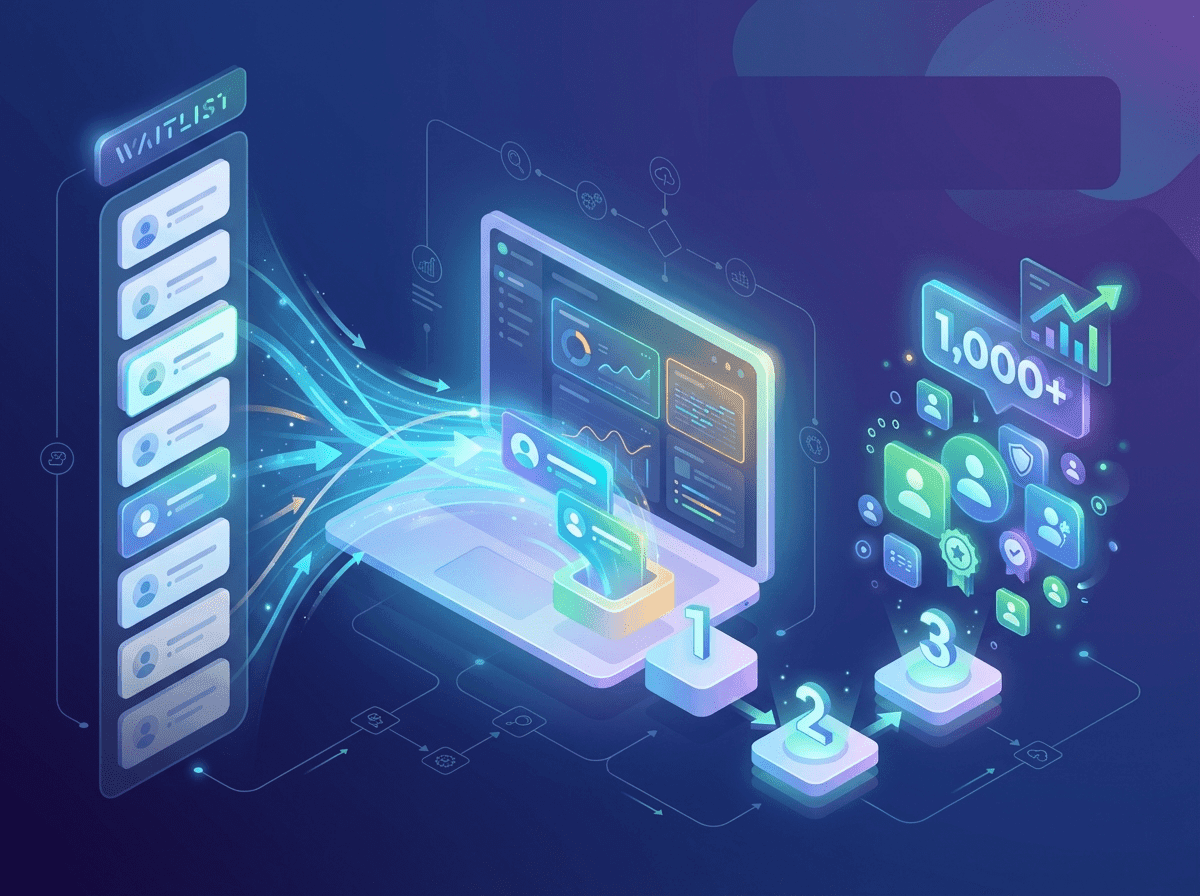
Treat your pre-launch waitlist as a product itself, not an afterthought. The most successful 2025 launches started building anticipation 3-6 months before going live.
Here's what works: Create a dedicated landing page that clearly articulates the problem you're solving and the transformation you're offering. Skip the vague "revolutionary platform" language. Instead, be specific about outcomes. "Ship features 40% faster" beats "accelerate your workflow" every time.
The real power move? Gamify your waitlist with referral incentives. Give early sign-ups a reason to share—priority access, extended free trials, or exclusive features. Tools like Waitlist Guide and GetWaitlist have made this trivially easy to implement, and founders are seeing 2-3x organic growth from referral mechanics alone.
Pro tip: Collect more than email addresses. Ask one qualifying question that helps you segment your audience. When launch day arrives, you'll send targeted messages instead of generic blasts.
2. Launch in Community, Not in Isolation
The "build it and they will come" era is dead. In 2025, community-led growth is the fastest path to your first 1,000 users.
Start by identifying where your ideal users already congregate. For B2B SaaS, that might be niche Slack communities or subreddits. For consumer apps, it could be Discord servers or Facebook groups. The key is to become a genuine contributor weeks before you mention your product.
Answer questions. Share insights. Be helpful without agenda. When you do launch, you're not a stranger—you're a trusted community member who built something the group actually needs.
Product Hunt remains valuable, but the strategy has matured. Success there now requires weeks of pre-launch engagement: commenting on other launches, building relationships with hunters who have relevant audiences, and coordinating your network for launch day support. The founders winning Product Hunt in 2025 are treating it like a community platform, not a submission form.
3. Focus on Building the Founder’s Personal Brand Before Promoting the Company Brand
Your personal story is more interesting than your company's feature list. People connect with humans, not logos.
Document your building journey publicly. Share the problems you're solving, the technical challenges you're overcoming, and yes—even the setbacks. LinkedIn and Twitter/X are goldmines for this approach, especially if you're targeting other founders or B2B buyers.
The pattern that works: Post 3-5 times per week for 60-90 days before launch. Mix educational content (insights from your domain expertise) with behind-the-scenes building updates. By launch day, you've cultivated an audience that's genuinely curious about what you've created.
One founder I know gained 5,000 followers by sharing weekly "build in public" threads about solving a specific problem in the DevOps space. When he launched, 300 people signed up in the first 48 hours—all organic, zero ad spend.
4. Orchestrate a Multi-Channel Launch Day
Single-channel launches are leaving money on the table. The most effective 2025 launches coordinate across 4-6 channels simultaneously.
Here's a proven launch day sequence:
- 12:01 AM PST: Go live on Product Hunt (if using this channel)
- 6:00 AM: Email your waitlist with early access
- 8:00 AM: Post on your personal social channels
- 10:00 AM: Share in relevant communities (where you've been active)
- 12:00 PM: Publish a launch blog post or LinkedIn article
- Throughout the day: Engage with every comment, question, and mention
The goal isn't to spam—it's to create multiple discovery paths for different audience segments. Your LinkedIn network might never see your Product Hunt launch, and vice versa.
Critical: Prepare your responses in advance. You'll get the same questions repeatedly. Have clear, friendly answers ready about pricing, roadmap, and how you're different from competitors.
5. Offer Irresistible Early Adopter Incentives
Early users are taking a risk on you. Reward that risk generously.
Lifetime deals and extended free trials work, but the most creative founders are going further. Consider:
- Founding member status with permanent benefits
- Direct access to you via Slack or private Discord
- Co-creation opportunities where early users influence the roadmap
- Revenue sharing or affiliate programs for users who refer others
The psychology here matters. Early adopters don't just want a discount—they want to feel like insiders who discovered something special. Give them status and access, not just savings.
One caveat: Be careful with lifetime deals. They generate cash flow but can create long-term support burdens. If you go this route, cap the number available and be explicit about what's included.
6. Plan Your First 48 Hours Like a Campaign
Most founders think the launch is a single moment. It's actually a 48-hour window where momentum either builds or dies.
Your job in those first two days is to stay visible and responsive. Set expectations with your team (and your family) that you'll be heads-down on launch activities. This means:
- Responding to every comment and question within 2 hours
- Sharing user testimonials and early wins in real-time
- Posting updates about milestones (100 sign-ups, 500 sign-ups, etc.)
- Reaching out personally to influential early users
The algorithm gods—whether on Product Hunt, LinkedIn, or Twitter—reward engagement velocity. The more activity your launch generates in the first 48 hours, the more visibility the platforms give you.
Tactical tip: Prepare 10-15 "update posts" in advance. When you hit milestones, you can quickly share them without scrambling for words.
7. Turn Launch into Launch Week (or Month)
The single-day launch is becoming obsolete. Smart founders are stretching launches into week-long or month-long events.
Here's how: Stagger your announcements and releases. Day 1 might be the core product launch. Day 3 could be a deep-dive demo or tutorial. Day 5 might feature a user case study or founder AMA. Day 7 could introduce a surprise feature or integration.
This approach keeps you in your audience's feed longer and gives you multiple opportunities to capture attention. It also accommodates different time zones and schedules—not everyone will see your Day 1 announcement.
Some founders are taking this even further with "launch months" where they release new features, content, and partnerships weekly. This works especially well if you're building in public and have an engaged following pre-launch.
The Meta-Strategy: Distribution Over Perfection
Here's the throughline connecting all seven strategies: distribution matters more than polish in your early days.
You don't need a perfect product to launch. You need a working product and a clear distribution strategy. The founders winning in 2025 are the ones who spend as much time planning their go-to-market as they do building features.
Start planning your launch strategy today, not the week before you ship. Build your audience while you build your product. Test your messaging with real humans. And when launch day comes, execute with the intensity of someone who knows this is just the beginning, not the finish line.
Because here's the final truth: your launch isn't really about the launch. It's about starting the conversation with your market. The strategies above help you start that conversation with momentum, attention, and a group of early believers who'll help you build what comes next.